Back pain physiotherapy in Warrington
If bending, sitting or standing for any length of time has become uncomfortable, a proper assessment can tell you why and what to do about it.
- Bending to load the dishwasher or tie your shoes brings on a sharp catch
- Sitting for more than 20 minutes leaves your back stiff and aching
- Pain, tingling or numbness spreads down into your leg
No GP referral needed. Appointments usually available within 3–5 days.
The large majority of back pain settles without surgery, and staying active is usually part of the answer, not the problem.
The good news
Back pain is one of the most common reasons people see a physiotherapist, and it's rarely a sign of serious damage. Even when a scan shows disc changes, those changes are common in people with no pain at all, which is why we focus on how your back moves and what it can tolerate.
Your first appointment is about ruling out anything that needs urgent attention, understanding what's driving your pain, and giving you a clear, practical plan for getting moving again.
Does this sound like you?
Tick anything that applies. It's not a diagnosis, but it helps you see whether an assessment is worth booking.
Tick the statements that match how your back feels.
Book an assessmentWhy does back pain happen?
Your lower back carries most of your body's load through everyday movement, so pain here can come from several different structures, each needing a slightly different approach.
Mechanical back pain
The most common cause. The joints, muscles and discs of your back become sensitive, often after a change in activity, without any single structure being seriously damaged.
About mechanical back pain →Sciatica and disc-related pain
Irritation or pressure on a nerve root, often from a disc, sending pain, tingling or numbness down into the buttock and leg.
About sciatica →Facet joint pain
The small joints connecting each vertebra become irritated, often causing pain that's worse with extending or twisting your back.
About facet joint pain →Spinal stenosis
Narrowing around the nerves in the lower spine, more common from your 60s onwards, typically easing when you sit or lean forward.
About spinal stenosis →Things that often contribute
- A sudden increase in lifting, gardening or gym training
- Long periods of sitting with little variety in position
- Weakness or poor endurance in the core and back muscles
- Poor lifting technique, especially with twisting
- Stress and poor sleep, which can lower your pain threshold
Why it's worth not waiting
- Chronic back pain is harder to shift the longer it's left unaddressed.
- Fear of movement often does more harm than the original injury.
- Sciatica that's left untreated can take longer to settle.
- A clear plan early on tends to mean a faster, more confident recovery.
 When to get urgent help instead
- Call 999 or go to A&E immediately if you have numbness around your saddle area (the area you'd sit on a saddle with), new bladder or bowel changes, or weakness in both legs. These are signs of a rare but serious condition called cauda equina syndrome.
- Contact your GP or NHS 111 the same day if you have back pain with fever, unexplained weight loss, or it follows a significant injury such as a fall from height.
- Seek medical advice promptly if you're under 20 or over 55 with new, unexplained back pain, or you have a history of cancer, osteoporosis or long-term steroid use.
If you're unsure, NHS 111 can advise you. You can still see us once anything serious has been ruled out.
How we treat back pain
Every plan is built around your back and your goals.
Find the cause
A full assessment of your back, hips and legs, so you leave knowing what's wrong and what's safe to do.
Settle the pain
Hands-on treatment and practical advice on movement, sitting and lifting to calm things down.
Rebuild strength
A progressive exercise plan to restore movement, core control and confidence in your back.
Get back to it
Return to work, sport and hobbies, with a plan to reduce the chance of it flaring up again.
Treatments we may use


Why people choose Iris Physio

The same physio every time
Every session is one-to-one with your own physiotherapist, so nothing gets lost between appointments.

Seen quickly
No GP referral needed, and initial appointments are usually available within 3–5 days.

Early and weekend slots
Appointments from 7am on Thursdays, plus weekend mornings at our clinic.

Home visits available
If getting to the clinic is hard, we can come to you, from £80.

Registered and regulated
All our physiotherapists are registered with the HCPC and are members of the Chartered Society of Physiotherapy.

A clear plan from day one
You'll leave your first session knowing what's wrong, what to do and what happens next.
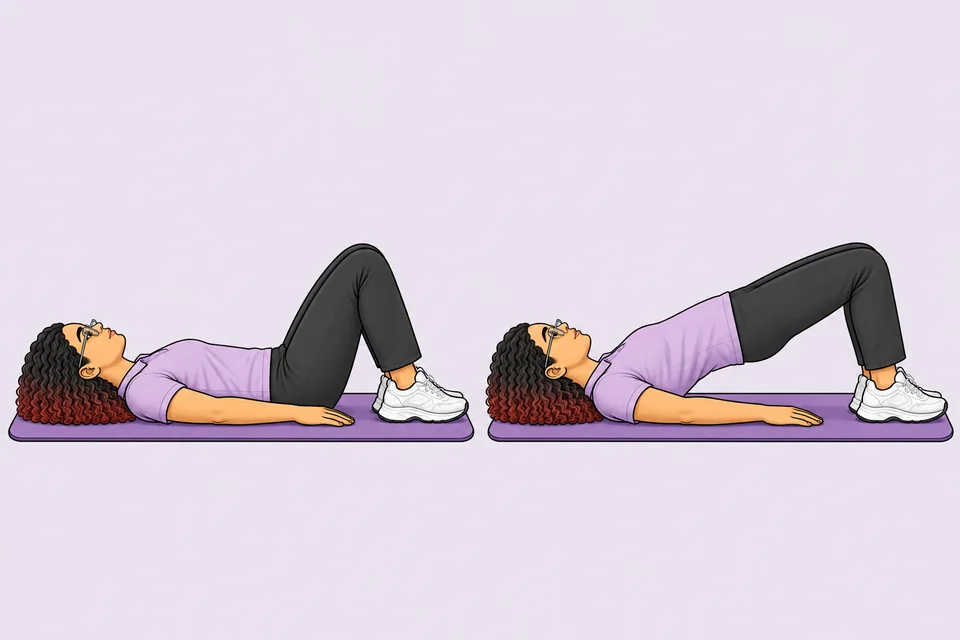
Something to try before your appointment
Six exercises in three levels, rebuilding movement, then strength, then lifting and carrying.
Read the plan →Start sorting your back this week
Book online in a couple of minutes, or call the clinic.
Warrington
Inside Gym and Tonic, Unit 5 Railway Court,
686 Knutsford Road, Latchford, Warrington WA4 1JW

Opening hours
Thursday 7am–8pm
Sat & Sun 8am–12pm
Back pain questions
No. Physiotherapists are first-contact practitioners, so you can book with us directly. We're happy to write to your GP if that would help.
No, prolonged rest tends to slow recovery. We'll show you which movements to ease off and how to stay as active as possible while things settle.
Most people don't. A thorough assessment usually tells us what's going on. If we think a scan would change your treatment, or if we spot anything concerning, we'll explain why and help arrange it.
It depends on the cause and how long you've had it. You'll get an honest estimate at your first appointment.
Yes. Home visits are available from £80, which can be useful if getting to a clinic is difficult.
Comfortable clothing you can move in, such as gym wear, so we can properly assess how your back moves.
Written and reviewed by Arya Kenkre, Lead MSK Physiotherapist (HCPC PH144505). Last reviewed September 2026. This page is general information and doesn't replace an individual assessment.