Knee Osteoarthritis
Wear and thinning of the joint's cartilage, causing stiffness and aching, most common from your 50s onwards.
What is knee osteoarthritis?
Knee osteoarthritis is wear and thinning of the cartilage in the knee joint, leading to pain and stiffness, most common from your 50s onwards. As with other joints, exercise and strengthening are consistently the most effective first treatment, and many people manage well for years without surgery.
Common symptoms
- Aching or stiffness in and around the knee
- Pain with stairs, standing from a chair, or after activity
- Stiffness after rest, easing with gentle movement
- Sometimes mild swelling
- Symptoms that can fluctuate, with better and worse days
What helps
- Regular exercise, combining strengthening with low-impact activity like cycling or swimming
- Maintaining a healthy weight to reduce load through the knee
- Building strength in the thigh and hip muscles
- Staying active rather than avoiding movement
- Pacing activity to manage flare-ups
 When to get urgent help instead
- Go to A&E if your knee is significantly swollen, hot and painful with fever, which can suggest an infected joint.
If you're unsure, NHS 111 can advise you. You can still see us once anything serious has been ruled out.
How we treat it
Exercise and strengthening are the most effective first-line treatment for knee osteoarthritis. We'll build a programme suited to your current fitness and goals, and support you through flare-ups without losing overall progress.


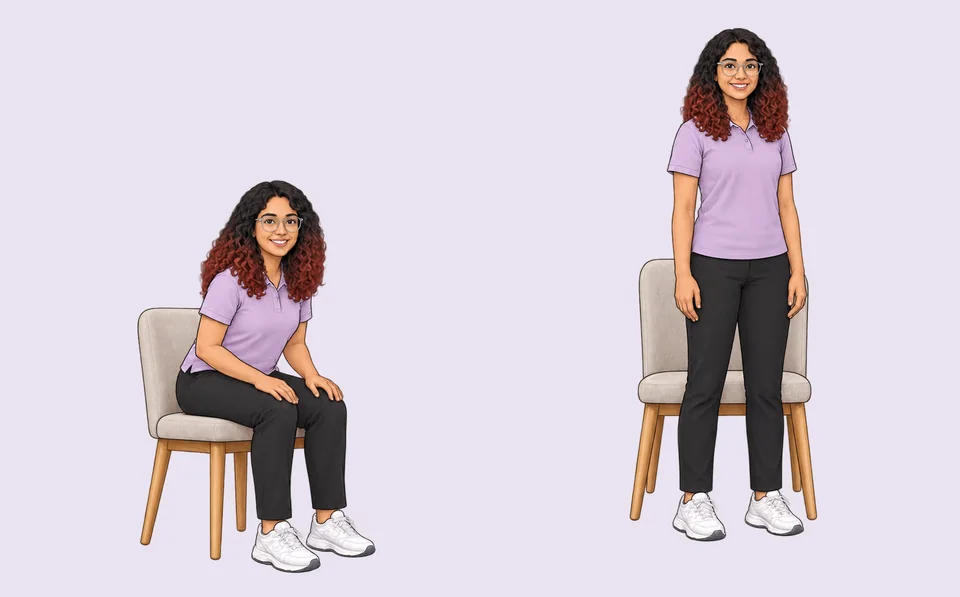
Something to try before your appointment
Six knee exercises in three levels, with sets and reps, built around chairs, walking and stairs. Start at the level that suits your knee today.
Knee arthritis exercises →Start sorting it this week
Book online in a couple of minutes, or call the clinic.
Warrington
Inside Gym and Tonic, Unit 5 Railway Court,
686 Knutsford Road, Latchford, Warrington WA4 1JW

Opening hours
Thursday 7am–8pm
Sat & Sun 8am–12pm
Knee Osteoarthritis questions
Many people manage well for years with exercise and lifestyle changes. A replacement is considered when symptoms significantly affect quality of life despite conservative treatment.
No, the right type and amount of exercise is one of the most effective treatments and doesn't accelerate joint damage.
No, you can book directly with us.
Written and reviewed by Arya Kenkre, Lead MSK Physiotherapist (HCPC PH144505). Last reviewed September 2026. This page is general information and doesn't replace an individual assessment.