Gluteal Tendinopathy
Overload of the tendons on the outside of the hip, causing pain over the bony point that's often worse lying on that side.
What is gluteal tendinopathy?
Gluteal tendinopathy, sometimes called greater trochanteric pain syndrome, is an overload injury of the tendons on the outside of the hip. It's a common cause of lateral hip pain, particularly in women over 40, and is often mistaken for hip osteoarthritis, though the two need slightly different management.
Common symptoms
- Pain over the bony point on the outside of the hip
- Pain lying on the affected side at night
- Discomfort climbing stairs, standing on one leg, or after prolonged sitting
- Pain that can spread down the outside of the thigh
- Tenderness when pressing directly over the area
What helps
- A progressive hip strengthening programme, particularly for the gluteal muscles
- Avoiding positions that compress the tendon, such as crossing your legs or standing with hip pushed out
- Modifying, not stopping, walking and exercise
- Adjusting sleeping position or using a pillow between the knees
- Patience, as tendon problems take time to settle
How we treat it
The most effective treatment is a structured loading programme for the gluteal muscles, combined with advice on positions and activities to modify in the short term. Shockwave therapy can also help in more persistent cases.


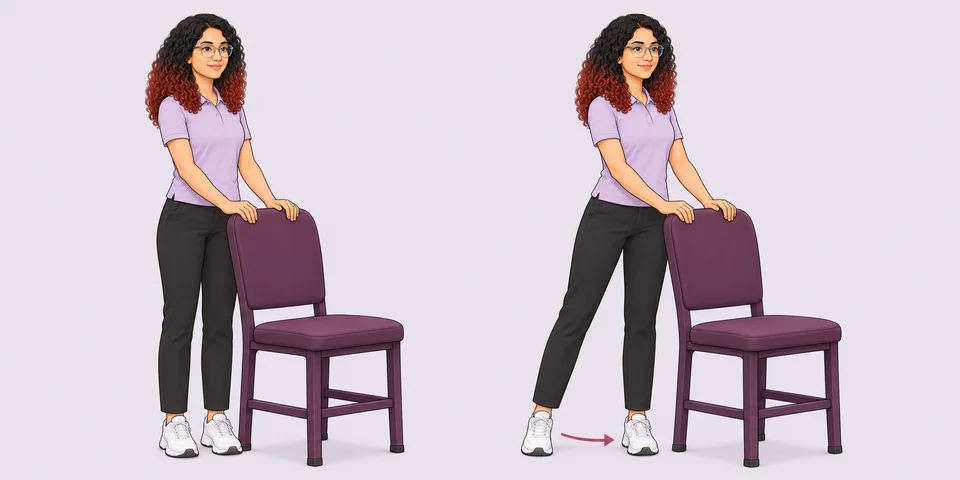
Something to try before your appointment
Six steps in three levels: take the compression off the tendon first, then build what it can tolerate.
Read the plan →Start sorting it this week
Book online in a couple of minutes, or call the clinic.
Warrington
Inside Gym and Tonic, Unit 5 Railway Court,
686 Knutsford Road, Latchford, Warrington WA4 1JW

Opening hours
Thursday 7am–8pm
Sat & Sun 8am–12pm
Gluteal Tendinopathy questions
No, though the two can feel similar and sometimes coexist. Gluteal tendinopathy is a tendon problem, while osteoarthritis affects the joint itself, and an assessment can tell them apart.
No, but you may need to temporarily reduce how much and adjust your walking pattern while the tendon settles.
No, you can book directly with us.
Written and reviewed by Arya Kenkre, Lead MSK Physiotherapist (HCPC PH144505). Last reviewed September 2026. This page is general information and doesn't replace an individual assessment.