Mechanical Back Pain
The most common cause of back pain: the joints, muscles and discs of your back become sensitive, without any single structure being seriously damaged.
What is mechanical back pain?
Mechanical back pain is the most common type of back pain, arising from the joints, muscles and discs of the spine working harder than they're used to, rather than from any serious damage. It's often linked to a change in activity, lifting, or prolonged positions, and even when a scan shows disc changes, these are common in people with no pain at all.
Common symptoms
- An ache or sharper pain in the lower back
- Pain that's worse with certain movements, such as bending or twisting
- Stiffness, particularly first thing in the morning
- Pain that eases with movement and gentle activity
- No pain, numbness or weakness spreading into the legs
What helps
- Staying as active as you comfortably can
- Avoiding prolonged bed rest, which tends to slow recovery
- Gradual return to normal activities and exercise
- Improving core and back strength over time
- Reassurance, as the outlook for mechanical back pain is generally very good
 When to get urgent help instead
- Call 999 or go to A&E immediately if you have numbness around your saddle area, new bladder or bowel changes, or weakness in both legs. These are signs of a rare but serious condition called cauda equina syndrome.
- Contact your GP or NHS 111 the same day if you have back pain with fever, unexplained weight loss, or it follows a significant injury.
If you're unsure, NHS 111 can advise you. You can still see us once anything serious has been ruled out.
How we treat it
Treatment focuses on hands-on therapy to ease pain, and a progressive exercise programme to restore confident movement and build strength, since staying active is one of the most effective things you can do for mechanical back pain.


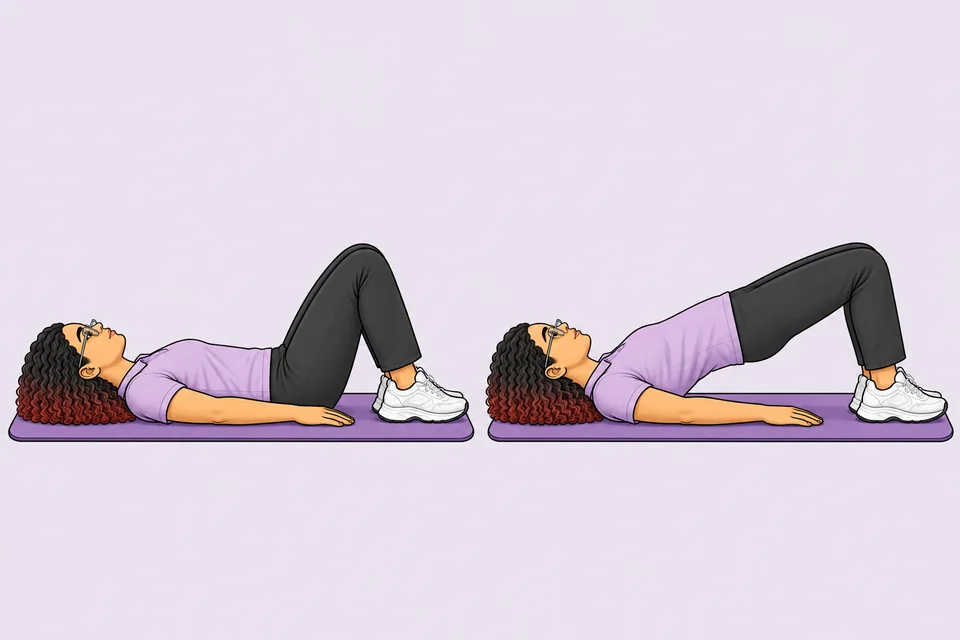
Something to try before your appointment
Six exercises in three levels, rebuilding movement, then strength, then lifting and carrying.
Read the plan →Start sorting it this week
Book online in a couple of minutes, or call the clinic.
Warrington
Inside Gym and Tonic, Unit 5 Railway Court,
686 Knutsford Road, Latchford, Warrington WA4 1JW

Opening hours
Thursday 7am–8pm
Sat & Sun 8am–12pm
Mechanical Back Pain questions
No, prolonged rest tends to slow recovery. Staying as active as comfortably possible is usually more helpful.
Most people don't. A thorough assessment usually tells us what's going on, and scan findings often don't correlate well with pain.
No, you can book directly with us.
Written and reviewed by Arya Kenkre, Lead MSK Physiotherapist (HCPC PH144505). Last reviewed September 2026. This page is general information and doesn't replace an individual assessment.