Knee pain physiotherapy in Warrington
If stairs, running or getting up from a chair has become uncomfortable, a proper assessment can tell you why and what to do about it.
- Going up or down stairs brings on an ache around or behind your kneecap
- Your knee feels stiff after sitting or first thing in the morning
- Running, squatting or twisting causes catching, giving way or swelling
No GP referral needed. Appointments usually available within 3–5 days.
Most knee pain, including knee osteoarthritis, responds well to exercise, and surgery is needed by only a minority of people.
The good news
The knee is a common site for both overuse problems and injuries, but the outlook for most knee pain is good. Strengthening the muscles that support the joint is consistently one of the most effective treatments, whatever the underlying cause.
Because ligament injuries, tendon problems and joint wear can all cause similar symptoms at first, your first appointment focuses on working out exactly what's going on and how best to load your knee as it recovers.
Does this sound like you?
Tick anything that applies. It's not a diagnosis, but it helps you see whether an assessment is worth booking.
Tick the statements that match how your knee feels.
Book an assessmentWhy does knee pain happen?
Your knee is a hinge joint that relies heavily on the muscles, ligaments and tendons around it, which is why both overuse and sudden injuries are common causes of pain here.
Knee osteoarthritis
Wear and thinning of the joint's cartilage, causing stiffness and aching, most common from your 50s onwards.
About knee osteoarthritis →Patellofemoral pain
Pain around or behind the kneecap, often worse on stairs or squatting, common in runners and active teenagers.
About patellofemoral pain →Ligament and meniscus injuries
A twisting injury or direct knock can strain or tear the ligaments or cartilage inside the knee, ranging from mild sprains to more significant tears.
About ligament and meniscus injuries →Patellar tendinopathy
Overload of the tendon just below the kneecap, common in sports involving jumping and landing.
About patellar tendinopathy →Things that often contribute
- A sudden increase in running, jumping or gym training
- Weakness in the thigh, hip and gluteal muscles
- Previous knee injury, including ligament sprains
- Being new to a sport or activity, or returning after a break
- Age-related joint changes and higher body weight, which increases load through the knee
Why it's worth not waiting
- Muscle weakness around the knee tends to worsen the longer it's left unaddressed.
- An untreated ligament or meniscus injury can lead to further instability.
- Knee osteoarthritis responds best to an early, active approach.
- Compensating for a sore knee often leads to hip or back problems too.
 When to get urgent help instead
- Go to A&E if you can't weight-bear on your knee after an injury, your knee is locked and won't straighten, or there's significant swelling within a few hours of an injury.
- Contact your GP or NHS 111 the same day if your knee is hot, red and swollen with fever, which can suggest an infected joint and needs prompt assessment.
- Seek medical advice promptly if you have obvious deformity after an injury, or your knee repeatedly gives way and you're worried about a significant ligament tear.
If you're unsure, NHS 111 can advise you. You can still see us once anything serious has been ruled out.
How we treat knee pain
Every plan is built around your knee and your goals.
Find the cause
A full assessment of your knee, hip and ankle, so you leave knowing exactly what's driving your pain.
Settle the pain
Hands-on treatment and practical advice on which activities to modify while things calm down.
Rebuild strength
A progressive strengthening plan for your thigh, hip and calf muscles, the foundation of most knee recoveries.
Get back to it
Return to sport, work and hobbies, with a plan to reduce the chance of it flaring up again.
Treatments we may use


Why people choose Iris Physio

The same physio every time
Every session is one-to-one with your own physiotherapist, so nothing gets lost between appointments.

Seen quickly
No GP referral needed, and initial appointments are usually available within 3–5 days.

Early and weekend slots
Appointments from 7am on Thursdays, plus weekend mornings at our clinic.

Home visits available
If getting to the clinic is hard, we can come to you, from £80.

Registered and regulated
All our physiotherapists are registered with the HCPC and are members of the Chartered Society of Physiotherapy.

A clear plan from day one
You'll leave your first session knowing what's wrong, what to do and what happens next.
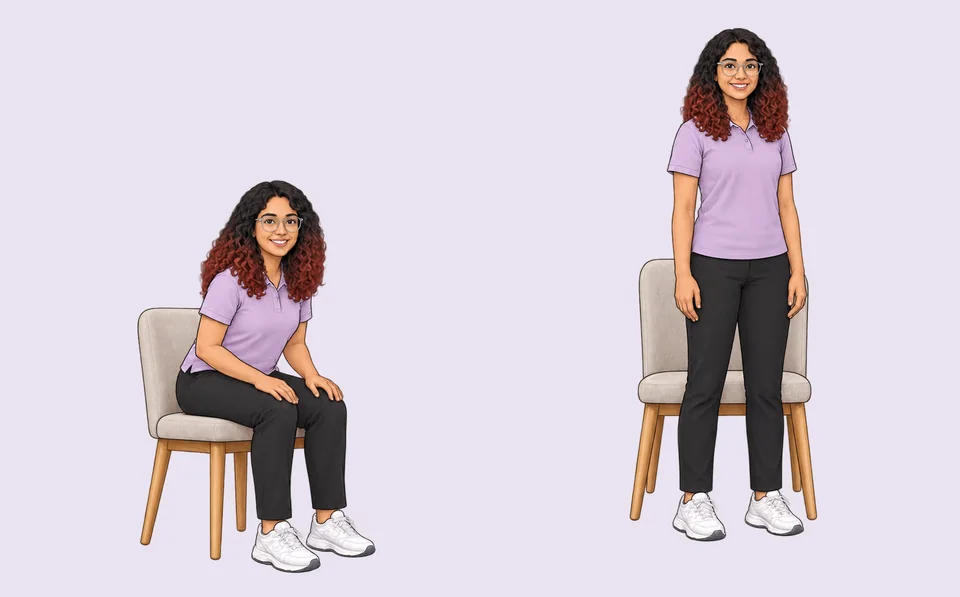
Something to try before your appointment
Six knee exercises in three levels, with sets and reps, built around chairs, walking and stairs. Start at the level that suits your knee today.
Knee arthritis exercises →Start sorting your knee this week
Book online in a couple of minutes, or call the clinic.
Warrington
Inside Gym and Tonic, Unit 5 Railway Court,
686 Knutsford Road, Latchford, Warrington WA4 1JW

Opening hours
Thursday 7am–8pm
Sat & Sun 8am–12pm
Knee pain questions
No. Physiotherapists are first-contact practitioners, so you can book with us directly. We're happy to write to your GP if that would help.
Not usually. We'll help you find activities and loads that are safe, since strengthening is one of the most effective treatments for most knee pain.
Most people don't. A thorough assessment usually tells us what's going on. If we think a scan would change your treatment, we'll explain why and help arrange it.
It depends on the cause and how long you've had it. You'll get an honest estimate at your first appointment.
Yes. Home visits are available from £80, which can be useful if you're recovering from knee surgery.
Shorts are ideal, so we can properly see and assess how your knee and leg move.
Written and reviewed by Arya Kenkre, Lead MSK Physiotherapist (HCPC PH144505). Last reviewed September 2026. This page is general information and doesn't replace an individual assessment.