Thumb Base Osteoarthritis
Wear at the joint at the base of the thumb, causing a deep ache with pinching or gripping, more common from your 40s onwards.
What is thumb base osteoarthritis?
Thumb base osteoarthritis affects the joint at the base of the thumb, where it meets the wrist. It's a common form of hand osteoarthritis, more frequent in women and from your 40s onwards, and it can make pinching and gripping tasks uncomfortable.
Common symptoms
- A deep ache at the base of the thumb, worse with pinching or gripping
- Stiffness, particularly first thing in the morning
- Reduced grip and pinch strength
- Sometimes a bony prominence or visible change at the joint
- Difficulty with tasks like opening jars or turning keys
What helps
- Hand and thumb strengthening exercises
- A thumb splint for support during demanding tasks
- Adapting how you grip, using larger handles where possible
- Staying active with the joint rather than avoiding use entirely
- Pacing demanding hand tasks through the day
How we treat it
Exercise and activity adaptation are the most effective first treatments, similar to osteoarthritis elsewhere in the body. We'll help you build hand strength, adapt techniques for difficult tasks, and use splinting where it helps.


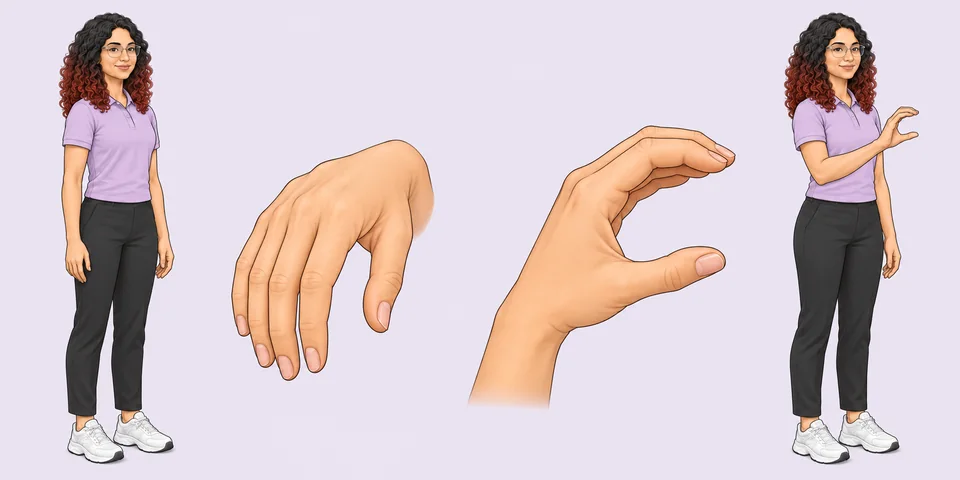
Something to try before your appointment
Gentle thumb exercises in three levels, plus the task changes that usually help most.
Read the plan →Start sorting it this week
Book online in a couple of minutes, or call the clinic.
Warrington
Inside Gym and Tonic, Unit 5 Railway Court,
686 Knutsford Road, Latchford, Warrington WA4 1JW

Opening hours
Thursday 7am–8pm
Sat & Sun 8am–12pm
Thumb Base Osteoarthritis questions
Thumb osteoarthritis can progress over time, but symptoms don't always worsen in a straight line, and many people manage well long-term with the right approach.
Most people manage well without surgery. It's occasionally considered for severe, persistent symptoms that haven't responded to conservative treatment.
No, you can book directly with us.
Written and reviewed by Arya Kenkre, Lead MSK Physiotherapist (HCPC PH144505). Last reviewed September 2026. This page is general information and doesn't replace an individual assessment.