Frozen Shoulder
A condition where the shoulder joint capsule becomes inflamed and then tight, causing progressive pain and stiffness.
What is frozen shoulder?
Frozen shoulder happens when the capsule surrounding the shoulder joint becomes inflamed and then thickens and tightens, restricting movement. It typically progresses through stages, starting painful, then becoming stiffer, before gradually loosening again. It's most common between the ages of 40 and 60, and more common in people with diabetes.
Common symptoms
- Progressively worsening shoulder stiffness over weeks or months
- Pain that can be significant in the early stages, especially at night
- Difficulty with movements like reaching behind your back or overhead
- A shoulder that feels 'stuck' rather than just painful
- Gradual improvement in stiffness over time, though this can take many months
What helps
- Getting the right advice early, which can make a real difference to how the condition progresses
- Gentle, guided movement within your pain limits
- Hands-on treatment and pain management, particularly in the early painful stage
- Realistic expectations, as frozen shoulder often takes 12 to 24 months to fully resolve
- Staying as functional as possible during the stiff phase
How we treat it
Treatment is tailored to which stage you're in. Early on, the focus is on managing pain and maintaining as much movement as possible. As the stiffness phase progresses, treatment shifts to gently restoring range of movement and strength.


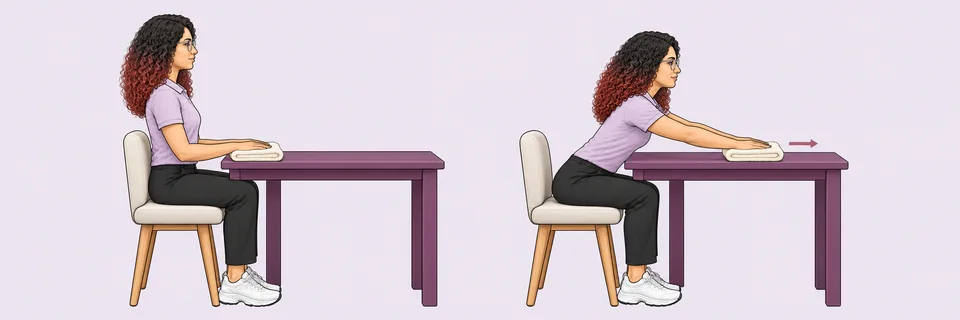
Something to try before your appointment
Six shoulder exercises in three levels, with sets and reps, matched to how painful or stiff your shoulder feels today.
Read the plan →Start sorting it this week
Book online in a couple of minutes, or call the clinic.
Warrington
Inside Gym and Tonic, Unit 5 Railway Court,
686 Knutsford Road, Latchford, Warrington WA4 1JW

Opening hours
Thursday 7am–8pm
Sat & Sun 8am–12pm
Frozen Shoulder questions
Yes, for the large majority of people, though it can take 12 to 24 months to move through all the stages. We'll help you manage symptoms and function throughout.
Usually not. Frozen shoulder is typically diagnosed from your symptoms and a physical examination.
Yes, within a comfortable range. Complete rest tends to make stiffness worse, but forcing movement through significant pain isn't helpful either. We'll show you the right balance.
Written and reviewed by Arya Kenkre, Lead MSK Physiotherapist (HCPC PH144505). Last reviewed September 2026. This page is general information and doesn't replace an individual assessment.