
What Does MSK Mean?
Musculoskeletal refers to the system of muscles, bones, joints, tendons, ligaments and connective tissues that allow you to move and function. MSK physiotherapy is the assessment and treatment of conditions that affect any part of this system.
It's a broad field, covering everything from a sprained ankle after a run to chronic lower back pain that's been present for years.
Common Conditions Treated with MSK Physiotherapy
- Back and neck pain, one of the most common reasons to see a physiotherapist. Often related to posture, muscle imbalance or disc problems.
- Shoulder pain, including rotator cuff injuries, frozen shoulder (adhesive capsulitis) and impingement syndrome.
- Hip and knee pain, osteoarthritis, bursitis, meniscal problems and IT band issues.
- Sports injuries, sprains, strains, ligament tears and overuse injuries.
- Sciatica, nerve pain radiating from the lower back into the leg.
- Arthritis, physiotherapy helps manage symptoms, maintain function and slow deterioration.
- Repetitive strain injuries, common in office workers, tradespeople and anyone who performs repetitive tasks.
What Does MSK Physiotherapy Involve?
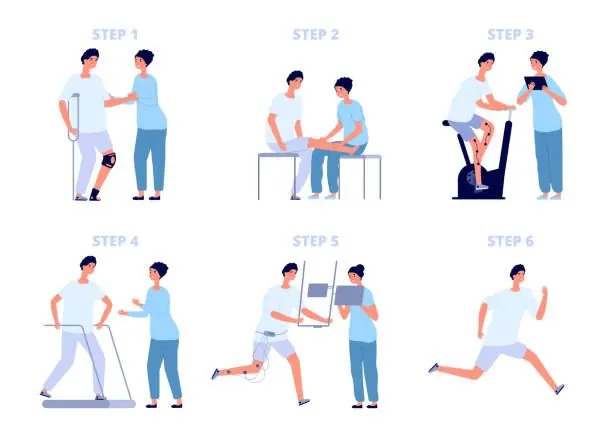
MSK physiotherapy is not one-size-fits-all. A good physiotherapist will begin with a thorough assessment before deciding on the right approach for you.
Assessment
Your physiotherapist will take a detailed history of your condition, when it started, what makes it better or worse, your medical background and your goals. They'll then carry out a physical assessment: watching you move, testing your range of motion, assessing strength and identifying any contributing factors.
Manual Therapy
Hands-on techniques including joint mobilisation, manipulation and soft tissue massage to reduce pain, improve movement and address restrictions in the tissues.
Exercise Therapy
A personalised exercise programme targeting the specific weaknesses, imbalances or movement patterns contributing to your condition. This is often the most important part of your treatment, and the exercises you do between sessions matter as much as the sessions themselves.
Education and Advice
Understanding your condition is empowering. Your physiotherapist will explain what's happening, what to avoid and how to manage your symptoms between appointments.
Do I Need a Referral?
No. Physiotherapists are first contact practitioners for musculoskeletal conditions, which means you can book directly without seeing your GP first (Chartered Society of Physiotherapy, 2024). If you've already been referred or have recent imaging or medical notes, bring these along, they can be useful, but they're not required.
Could MSK Physiotherapy Help You?
If you're experiencing any of the following, MSK physiotherapy is likely to help:
- Joint pain, stiffness or swelling
- Muscle pain, weakness or tightness
- Pain that limits your daily activities or sleep
- Reduced range of movement in any joint
- Recovery from a sports injury or accident
- Pain that hasn't resolved on its own after 2–3 weeks
Home Visit MSK Physiotherapy Across Warrington & Nottingham
Iris Physio brings expert MSK physiotherapy directly to your home. No waiting rooms, no travel, just focused, one-to-one care designed around you.
Book Your Assessment →References Used in This Revision
- Chartered Society of Physiotherapy (2024) — What is First Contact Physiotherapy? csp.org.uk/public-patient/find-physiotherapist/what-first-contact-physiotherapy