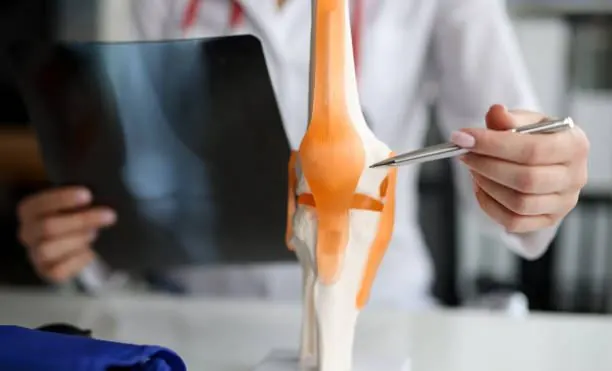

This guide is for anyone who has had, or is preparing for, a hip or knee replacement and wants to know which everyday activities and sports are realistic to return to, and when. It covers recommended activities, ones to approach with more caution, and how physiotherapy supports your return to the things you enjoy.
Why Activity Matters After Joint Replacement
Sensible, progressive activity after joint replacement is generally encouraged rather than restricted. One of the most common misconceptions after hip or knee replacement is that you need to "protect" the new joint by limiting activity. In reality, appropriate exercise and activity support the strength of surrounding muscles, your mobility and your long-term quality of life.
Prolonged inactivity and sedentary behaviour after joint replacement are associated with weakened muscle strength, fat accumulation and a cycle of reduced mobility and fatigue that can undermine the benefits of surgery (Ni, 2024). The evidence on activity level and implant survival is more mixed than is often assumed: moderate-to-high activity has not been shown to increase revision risk in the first two years after surgery, and some studies report similar or better implant survivorship in more active patients (Telang, 2024). However, sustained very intensive activity over the longer term (10–15 years) has been linked to a higher risk of revision surgery in at least one large cohort study, so "more is always better" isn't quite right either. Sensible, guided activity, rather than maximum activity, is the safest approach (Zaballa, 2024).
Recommended Activities After Joint Replacement
Walking
Walking is one of the best activities after joint replacement, and your physiotherapist will help you build it up gradually. Start with short, frequent walks and progressively increase distance as comfort, strength and confidence allow. There isn't a single research-backed target that applies to everyone, your surgeon and physiotherapist will set a realistic walking goal based on your individual recovery, but working towards a regular daily walking habit over the first few months is a common and sensible aim.
Swimming and Hydrotherapy
The buoyancy of water reduces joint loading while providing excellent cardiovascular and muscle conditioning. As general clinical guidance, many surgeons allow swimming from around 6–8 weeks once the wound is fully healed, but this varies between individuals and surgical teams, so always confirm timing with your own surgeon or physiotherapist.
Cycling
Stationary cycling is often introduced during physiotherapy sessions from around 4–6 weeks as part of general clinical practice, though exact timing depends on your individual healing and strength. Outdoor cycling can follow once balance and confidence are established.
Golf
Most patients who return to golf after hip or knee replacement do so within around 3–6 months, with one study reporting an average return time of 4.4 months after joint replacement surgery (Arshi, 2023). The rotational demands of the golf swing require good hip mobility and strength, physiotherapy specifically targets this.
Pilates and Yoga
Gentle, low-impact forms of both can be beneficial from around 3 months, with guidance from a physiotherapist on which movements to modify.
Activities to Approach with Caution
Some activities place higher or more repetitive forces through the new joint, and the evidence here is more cautionary. High-impact and high-intensity sport has been linked to faster implant wear and, in some longer-term studies, a higher risk of needing revision surgery, so these are generally approached more carefully.
- High-impact activities (running, tennis, football), high-impact sport has been associated with significantly higher prosthesis wear rates than low-impact activity (Telang, 2024), and one long-term cohort study found intensive activity was associated with a higher risk of revision surgery at 10–15 years (Zaballa, 2024). Many surgeons advise caution with these for this reason.
- Heavy lifting, limit until strength is fully restored under physiotherapy guidance.
- Squash and racquet sports, the rapid direction changes and impact loads mean these are generally considered higher-risk for the implant.
The Role of Physiotherapy in Long-Term Activity
Your physiotherapist is your guide to returning to the activities that matter to you, helping you do so at a pace and intensity that suits your individual recovery. They'll monitor your strength, mobility and movement quality, and progress your programme in a way that supports your new joint while getting you back to the things you love.
Don't be afraid to ask your physiotherapist about specific activities, whether it's golf, gardening, travelling or grandchildren. A personalised goal, set with professional guidance, is always better than a generic restriction or a generic target.
Want to Get Back to the Activities You Love After Joint Replacement?
Our physiotherapists visit you at home and design your rehabilitation around your personal goals. Book today.
Book a Home Visit →References Used in This Revision
- Ni X, et al. (2024) — Sedentary behaviour among elderly patients after total knee arthroplasty and its influencing factors. Scientific Reports. PMC11190212. pmc.ncbi.nlm.nih.gov/articles/PMC11190212
- Telang S, et al. (2024) — Are Activity Restrictions Necessary After Total Hip Arthroplasty: A Systematic Review. Arthroplasty Today. PMC11605326. pmc.ncbi.nlm.nih.gov/articles/PMC11605326
- Zaballa E, et al. (2024) — Intensive physical activity following total hip arthroplasty increased the revision risk after 15 years: a cohort study of 973 patients from the Geneva Arthroplasty Register. Acta Orthopaedica. PMC11325854. pmc.ncbi.nlm.nih.gov/articles/PMC11325854
- Arshi A, et al. (2023) — Return to Sport After Hip and Knee Arthroplasty: Counseling the Patient on Resuming an Active Lifestyle. PMC10382373. pmc.ncbi.nlm.nih.gov/articles/PMC10382373